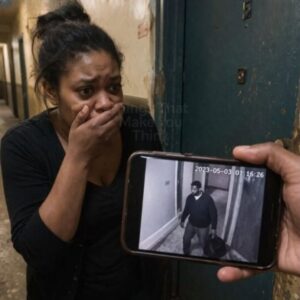
The silence felt like a life sentence. Years of experts, questions, and courtrooms couldn’t unlock the girl’s sealed memories, each session another chisel scraping at stone that would not break. But in the humming chill of the death house, with her father minutes from a needle, she finally leaned in, lips shaking, and let four quiet words detonate everything the state thought it knew. What she said didn’t just chal… Continues…
The girl’s confession did not arrive like a dramatic courtroom twist, but like a fragile bridge between terror and truth, four syllables that shifted the room’s gravity. Her words rerouted blame, but they also exposed the cruelty of a system that had asked a child to freeze a nightmare into a single, tidy story. Investigators, once certain, now moved like people crossing thin ice, each old assumption cracking under the weight of her new account. Evidence that had seemed solid began to look curated, bent to fit a hunger for closure. The prosecutor who’d built his career on her testimony stared at the floor, while the warden quietly delayed the march toward the chamber. Outside, reporters refreshed their scripts, struggling to turn doubt into headlines. Inside, the girl realized that telling the truth meant not just freeing her father, but admitting how deeply she’d been used, how long she’d been living as the state’s living, breathing propaga… Continues…
In the weeks that followed, the case did not explode into easy vindication. Appeals crawled through courts, each hearing peeling back another layer of shortcuts and pressure that had sculpted a terrified child into a star witness. Experts testified not about blood spatter or timelines, but about memory, trauma, and the way a desperate system can bend both. The original conviction fractured under the strain: key evidence discredited, alternate suspects finally examined, the jury’s confidence exposed as carefully staged illusion. When the ruling came down vacating the death sentence, the language was clinical, but for the girl it sounded like oxygen at last.
Freedom, though, did not feel like a reset button. Her father stepped into the sunlight with shoulders permanently curved from years of bracing for an ending that never came. They moved into a small apartment, where apologies and silence often shared the same room. Therapy sessions became their new courtroom, except this time the goal was not a verdict, but understanding. Slowly, they built a life from unremarkable rituals: burnt toast, late-night TV, arguments over nothing. The miracle was not that pain vanished—it didn’t—but that it became something they could name without flinching. In the end, the four words that once sentenced a man now served as the first line of a story the girl finally owned, not as evidence, but as truth.